

How Smart Analytics Helps Improve Customer Service and Drive Better Business Decisions
Providing excellent customer service is no longer just about answering questions or resolving issues quickly. Every customer conversation contains valuable insights that can help businesses better understand their customers, improve their services, and make more informed decisions.
However, collecting data alone is not enough. The real value comes from analyzing that data and turning it into actionable insights. This is where smart analytics plays a vital role, giving businesses a clear view of their customer service performance and helping them continuously improve the customer experience.
Understand Your Customers' Most Common Questions
Smart analytics helps businesses identify the questions and concerns customers ask most frequently. By recognizing recurring topics, companies can gain a deeper understanding of customer needs and identify areas where customers may be experiencing challenges.
For example, if reports show that many customers frequently ask about order status or payment methods, businesses can improve those processes or provide clearer information. Likewise, identifying recurring issues allows businesses to solve the root cause instead of repeatedly handling the same inquiries.
These insights help improve customer satisfaction, reduce repetitive questions, and create a more efficient support experience.
Measure Customer Service Team Performance
Smart analytics is not only valuable for understanding customers it also provides meaningful insights into the performance of customer service teams.
Businesses can monitor important metrics such as: average response time, number of conversations handled, resolution time, and overall team productivity.
Having access to these performance indicators allows managers to identify strengths, uncover opportunities for improvement, and allocate resources more effectively to deliver a better customer experience.
Identify Peak Hours and Optimize Operations
Customer activity often varies throughout the day. Some hours may experience a high volume of inquiries, while others remain relatively quiet.
With smart analytics, businesses can easily identify these patterns and prepare accordingly. Teams can schedule staff more efficiently during busy periods and leverage automation to handle repetitive inquiries when demand increases.
This proactive approach helps reduce customer waiting times, improves operational efficiency, and ensures a smoother support experience.
Make Data-Driven Decisions
Many business decisions are still based on assumptions or personal observations. Smart analytics replaces guesswork with real data, giving businesses the confidence to make informed decisions backed by measurable insights.
Whether the goal is improving customer service, evaluating communication strategies, optimizing workflows, or enhancing overall business performance, analytics provides the information needed to make better decisions with greater accuracy.
Over time, this data-driven approach enables continuous improvement and supports long term business growth.
How Yafe Helps Businesses Leverage Smart Analytics
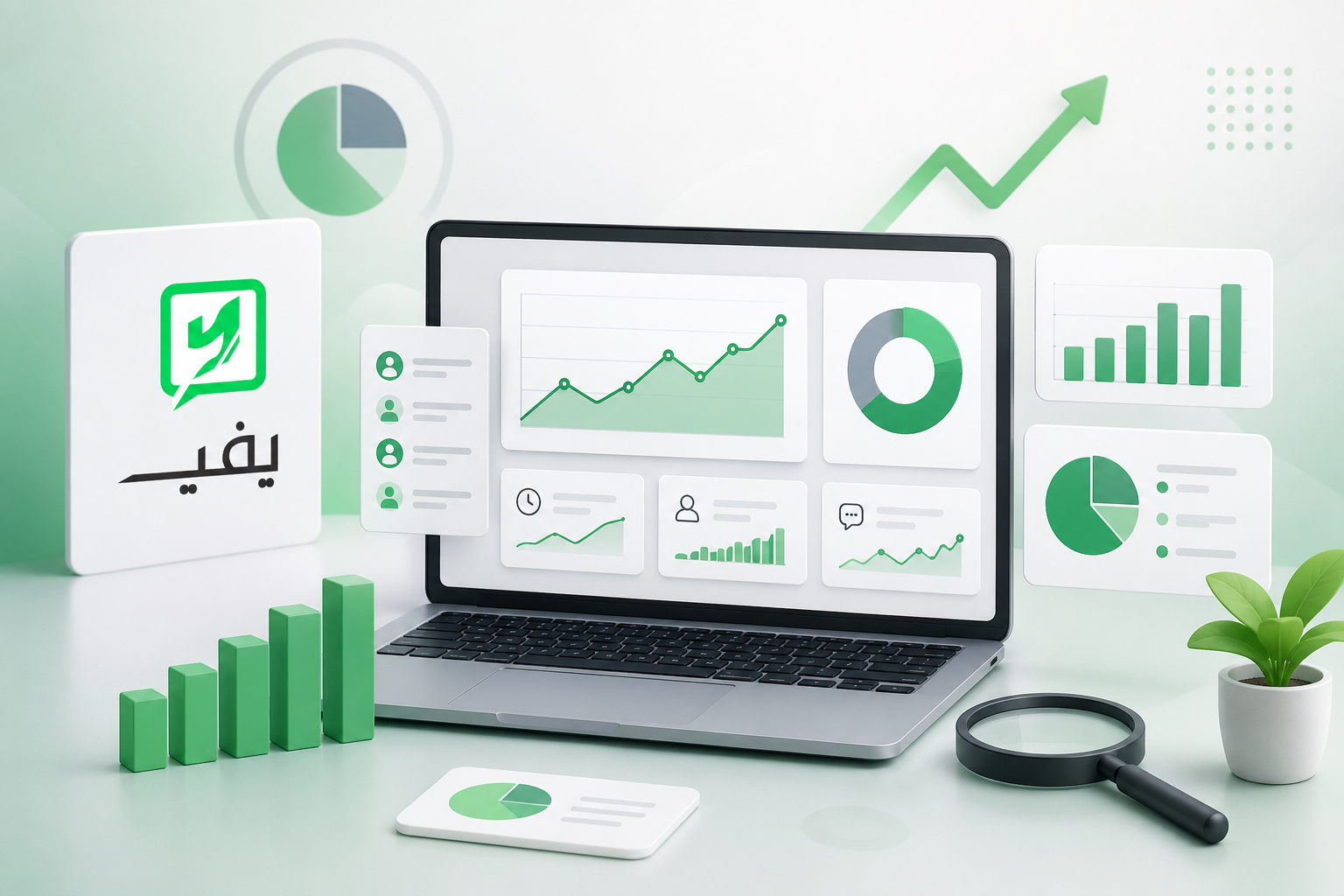
Yafe provides comprehensive dashboards and reports that help businesses monitor customer service performance with ease. Companies can track key performance indicators, analyze customer conversations, identify recurring inquiries, and gain valuable insights into customer behavior.
By bringing all this information together in one platform, Yafe enables businesses to monitor performance more effectively, make faster decisions, and continuously improve their customer communication strategy.
Conclusion
Data has become one of the most valuable assets for modern businesses, but its true value lies in how it is analyzed and applied. Smart analytics transforms customer interactions into meaningful insights that help businesses improve service quality, optimize operations, and make better business decisions.
With Yafe, businesses can take advantage of powerful analytics and reporting tools to better understand their customers, monitor performance, and continuously enhance the customer experience while supporting long-term business growth.